

Python is a high-level and dynamic programming language
Importance Of Python
Python is a programming language that was created in 1989 by Guido van Rossum.
Python is a high-level and dynamic programming language. It can be used to do anything from web development to data science and scientific computing. Python is easy to learn and has a simple syntax which makes it easy for beginners to start coding in it. Python is free and open-source software.
Python was designed with an emphasis on readability and simplicity. It supports multiple programming paradigms including object-oriented, imperative, functional, and procedural styles.
Reasons why python is important
Understandable and Maintainable Code
Code that is readable and maintainable is what every developer wants.
The code should be readable so that it can be understood by a new person even if he/she does not know the programming language. It should also be maintainable so that it can be updated without any hiccups.
There are different ways to make code more readable and maintainable like:
- Writing small functions to encapsulate one task,
- Using descriptive variable names,
- Using comments to explain what the code does,
- Using meaningful variable names,
- Breaking long lines of code into multiple lines,
- Keeping indentation consistent
Different Programming Paradigms
Python is a high-level programming language that emphasises code readability. It is the most popular and most widely used language for general-purpose programming.
Python has a variety of applications in domains such as web development, data science, machine learning, artificial intelligence, and computer vision.
Python is an interpreted language with a design philosophy that emphasises code readability and programmers' productivity. It includes constructs that enable clear programming on both small and large scales.
Viable with Major Platforms and Systems
Python is a programming language that has been around since the 1980s. It is one of the most popular programming languages in use in today's world.
Python has been around since the 1980s and it is one of the most popular programming languages in use today. It is an open-source language that can be used with major platforms and systems, including Windows, Mac OS X, Unix, Linux, Android, and iOS.
Python is a powerful, high-level language.
Python is a general-purpose programming language that can be applied to many different use cases. It has an extensive standard library and a large variety of open-source libraries available on the web.
Python is one of the most popular high level programming languages. It's easy to learn and read, it has an extensive standard library and a large variety of open-source libraries available on the web. Python is used by some of the most popular websites in the world, like YouTube and Dropbox.
Many Open Source Frameworks and Tools
Python is a programming language that has been around for 30 years and is used by many programmers.
Python is a general-purpose programming language that can be used for many different types of applications, including web development, data science, machine learning, and computer graphics. Python was created in the late 1980s by Guido van Rossum who wanted to create an easy-to-learn programming language with clear syntax.
Python’s syntax is clean and simple. There are no curly braces or semicolons needed to write code in Python which makes it easier for beginners to understand. The code reads like English which makes it easier to read and understand what the programmer intended.
This section will discuss all of the different open source frameworks and tools available on Python that are worth checking out.
Improve on Complex Software Development
This article is about the Python programming language. Python is a general-purpose, high-level programming language. It has a simple, easy-to-learn syntax and it has powerful data structures built into the language.
Python is an interpreted language and it can be used for small scripts as well as large-scale projects. It is also very good for machine learning and scientific computing. The best part of python is that it can be used with other languages like C++ or Java to create cross-platform applications.
Embrace Test-Driven Development
Python is a programming language that is very easier to learn. It has an interactive mode, which means that you can run the code as you are writing it. This helps to identify errors and bugs in the code early on.
Python is used by various companies and organizations for their back-end and front-end applications. It has also found use on some popular websites such as YouTube, Reddit, Instagram, Google Maps, and Pinterest.
Conclusion
Each language is planned in such a manner to offer something exceptional that its clients will actually want to profit from. This worldview characterizes what programming with Python is. Somehow, Python won't replace low-level dialects permitting clients to obtain better command over a CPU like C or C++. Nor will it assume control over Java which is popular due to its accessibility for building complex applications, or JavaScript remaining behind most site pages.
Ashok it best software training institute that provides the best training to students in the field of software engineering.
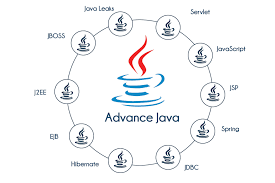
A Complete Guide To Advanced Java
Java is a programming language and computing platform. It is a popular programming language in the software industry and is used in a wide variety of applications from enterprise software to mobile apps.
Java was originally designed by James Gosling in 1991 for use with embedded systems, but it has since been used for many other types of systems as well. Java is one of the most popular programming languages, and it has been estimated that over 9 million programmers use it.
The following are some examples of Java applications:
-Android operating system
-Apache Hadoop
-Apache Spark
-Google Chrome
-Eclipse IDE
Components of Advance java:
Java is a broadly useful programming language that is simultaneous, class-based, object-situated, and explicitly intended to have as not many execution conditions as could really be expected. It is planned to let application designers "compose once, run anyplace" (WORA), implying that incorporated Java code can run on all stages that help Java without the requirement for recompilation.
Java SE:
The standard edition of Java SE includes everything you need to develop applications for the desktop and server running in a Java SE environment. This includes features like Swing GUI components, advanced 2D graphics functions such as OpenGL, and networking libraries.
Java EE:
The Enterprise Edition of Java includes everything in the standard edition plus tools for building web applications with servlets and JSP pages; database access; EJBs
Benifits of advance java
Advance java is a programming language that has been used to create software for more than two decades and it's the most popular language in the world.
Advance Java is a programming language that has been used to create software for more than two decades. It's the most popular language in the world and has many benefits. Because of its popularity, there are many resources available for learning how to use it which makes it easy to pick up even if you are new to programming.
It is also very powerful and can be applied to many different types of projects, such as video games, web applications, desktop applications and mobile apps.
1. Lots of assets to learn Java
Learning Java is a huge task for beginners. You need to learn the syntax, the API library and all the programming concepts. It’s not easy to learn Java on your own.
1) You can start with learning how to code in Java before you start learning about all the syntax and API libraries.
2) There are many tutorials online that will teach you how to code in Java, but they are hard to find and it takes a lot of time looking for them.
3) The best way is that you have a tutor who will teach you how to code in java one on one or through Skype, so he can help you understand what’s going on and make sure that you don’t get confused by anything.
2. Heaps of open positions
It is a general-purpose, object-oriented programming language that can be used to create applications for desktops, internet, and mobile devices. It is also one of the most in demand skills in today’s job market.
The demand for Java developers has been increasing ever since its introduction in 1995. The number of jobs requiring Java as a skill has increased by more than 50% from 2013 to 2018. This increase can be attributed to the fact that Java is a general-purpose, object-oriented programming language which can be used for developing software for desktops, internet and mobile devices.
3. Universal usage
Java is a computer programming language that was created by James Gosling and Sun Microsystems in the 1990s. Java is now one of the most widely used languages in the world, with an estimated 9 million developers.
Java's versatility and reliability has made it a popular choice for many developers, as well as businesses that need to create robust software. It's also been used to create games and other interactive applications.
Java is designed to run on any system that supports the JVM (Java Virtual Machine). This means that it can be executed on everything from personal computers to smartphones, tablets, game consoles and even embedded systems like traffic lights.
4.Java is easy to learn
Java is a general-purpose programming language which is used in many domains. It is one of the most popular programming languages in the world and it has been around for over 20 years.
Java is an object-oriented language, meaning that it focuses on objects that encapsulate both data and code. Java programs are compiled to bytecode before they are executed, which ensures that there is a one-to-one correspondence between the code and its execution at runtime.
The syntax of Java requires less typing than other languages, and it's easier to understand for programmers who come from other languages like C++ or C#.
Conclusion:
Ashokit is the best software training institute in hyderabad. Offer various software courses with 100% placement assistance under expertise trainers.
Introduction to Spring boot and Microservices
Introduction to Spring boot and Microservices
The term microservices refers to a software architecture style, where the application is composed of small, independent services. These services are then deployed in containers and can be scaled up or down independently.
Spring Boot is an open source framework that helps build applications using a microservices architecture. Spring Boot can be used to create stand-alone Java applications or add functionality to existing applications without the need for code changes.
Spring Boot is a Java framework which helps developers to create enterprise-grade applications by providing a set of libraries that allow them to build their applications quickly. Microservices are the new trend in software architecture where each service is responsible for one specific task.
The world is becoming more and more connected. The need for a system that can process data from different sources and provide insights is higher than ever. Microservices are the answer to this need.
Microservices are the way of the future, as they allow software developers to create small, independent services that can be used in a variety of contexts.
Making a New Service Using Spring Boot by Using the Spring Initializer
The Spring Initializer is a tool that can be used to create an application with Spring Boot. It is a web-based tool that can be used to generate the necessary files for an application. The Spring Initializer will provide a set of templates for different types of applications, such as RESTful services, database-driven services, and so on.
Guarantee Service Naming and Discovery
This section will be about how to create an application that will provide a service discovery and naming.
We will use springboot and microservices to create the application.
The application will be able to register a new service, retrieve all services, delete a service and update it.
We can also generate a client for the service we want to use.
This is done by using the command line utility called "spring-cloud-starter-parent".
Conjure Other Microservices
Spring Boot is an application framework that makes it easy to create stand-alone, production-grade Spring based applications that can be run in a container without requiring external dependencies or configuration.
Guarantee Load Balancing
Guarantee Load Balancing is a new feature in Spring Boot that allows developers to easily configure the load balancing of microservices.
The main idea behind this feature is to provide a simple and declarative way for developers to configure load balancing. The configuration file will dictate what type of load balancer the application should use and how it should be configured. The configuration file can also dictate how the different components are mapped onto different instances of the same service.
In this section, we'll explore how Guarantee Load Balancing works with one of these services, Kafka Streams.
Oversee Microservices Configuration Centrally by Using Spring Cloud Config ServerGuarantee Load Balancing
Spring Cloud Config Server provides a central repository for all the configuration that is needed to run your microservices. The configuration is stored in a file and can be accessed by all the services that are running on the same server. Spring Cloud Config Server also provides load balancing, so if one server goes down, the other servers will take over.
This article explores how we can use Spring Boot to configure a Config Server and use it to store config files for our microservices. It also covers how we can configure load balancing using this tool.
Lay out Security with Spring Cloud
Security is a major concern for any organization. This is because of the increasing number of cyber-attacks and data breaches. Spring Cloud provides a framework to build secure microservices with minimal effort. It can be used to implement authentication, authorization, data encryption and auditing across microservices.
Spring Cloud provides an open source platform that makes it easy to create secure microservices. It is based on the message broker technology called RabbitMQ and it comes with a set of modules for different security features like authentication, authorization, data encryption and auditing across microservices.
Empower Fault Tolerance
The Spring Boot framework is a lightweight Java application framework that allows developers to create stand-alone, production-grade web applications, RESTful web services and microservices.
Spring Boot provides a lot of benefits to developers such as:
- Simplicity: the framework is easy to learn and use. - Tooling support: it offers great tooling support for Java development. - Performance: it has a fast startup time and can be deployed in production without any configuration. - Scalability: it can handle high loads. - Fault tolerance: it offers fault tolerance features like restarting failed services automatically or rolling back state on failure of an individual service.
Conclusion:
Spring Boot is a popular Java framework for developing microservices.
It provides a lot of features, which make it easy to rapidly develop and deploy applications.
Ashok It is an online training institute that offers courses on different it courses with 100% placement assistance.